When to Repair vs Replace a Commercial Concrete Slab
If you're wondering when to repair vs replace a commercial concrete slab, local contractors can assess damage and recommend the best solution to restore safety and durability.
Understanding when to repair vs replace a commercial concrete slab is a common concern for property owners looking to maintain the safety, appearance, and functionality of their facilities. If cracks, uneven surfaces, or signs of deterioration are noticeable, it’s natural to wonder whether a repair will suffice or if a full replacement is necessary. This decision can impact long-term durability and costs, making it important to evaluate the extent of damage and the underlying causes. Local contractors experienced in concrete slab services can assess these factors and recommend the most practical solution to keep properties in top condition.
Property owners in the area often explore this topic to avoid unnecessary expenses or future complications. For example, minor surface cracks might be easily repaired, while significant structural issues or widespread damage could indicate that a full replacement is the better choice. Engaging with local service providers who specialize in concrete slab work can help clarify these options, ensuring that repairs or replacements are handled efficiently and appropriately. Keep reading to learn more about how to determine whether a repair or a replacement is the right move for your commercial property.
- Cracked or damaged slabs - when concrete slabs show extensive cracking or surface deterioration, local contractors may recommend replacement to ensure structural integrity.
- Uneven or sinking slabs - if a commercial concrete slab is noticeably uneven or sinking, service providers often suggest replacement rather than repair for long-term stability.
- Repeated repairs needed - frequent patching or crack filling may indicate that a slab has reached the end of its lifespan, prompting local pros to advise replacement.
- Severe structural issues - slabs with significant foundational or load-bearing problems are typically better suited for replacement by experienced service providers.
- Cost-effectiveness considerations - when the cost of ongoing repairs exceeds the expense of replacement, local contractors can help determine the best course of action.
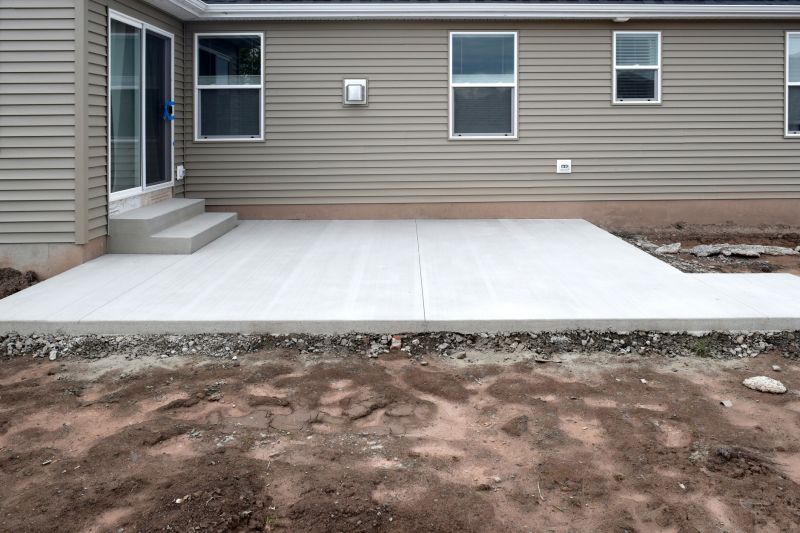
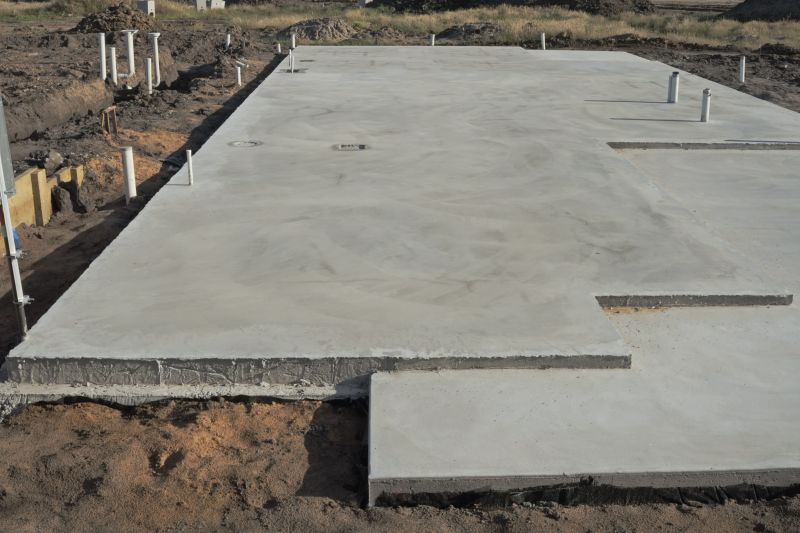
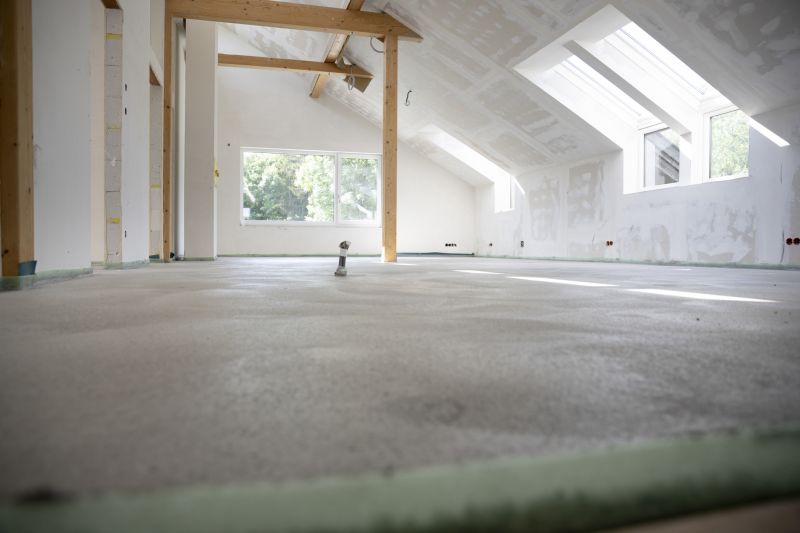
When people search for information on when to repair vs replace a commercial concrete slab, they are often trying to determine the best course of action for maintaining or improving a property's value and functionality. This topic typically relates to issues such as cracking, spalling, uneven surfaces, or structural concerns that can affect loading capacity and safety. Property owners might be planning to extend a building, improve an existing parking lot, or address damage caused by weather or heavy use. Understanding the difference between repairs and replacements helps property managers and business owners make informed decisions that balance cost, longevity, and safety considerations.
The problems associated with commercial concrete slabs can vary widely, but common signs include visible cracks, surface deterioration, or sinking areas. These issues may stem from soil movement, improper initial installation, or ongoing exposure to harsh conditions. When searching for guidance, property owners often want to know whether small cracks or surface imperfections can be fixed with patching or sealing, or if the damage is severe enough to warrant a full slab replacement. Plans for new construction or renovation projects also come into play, as they might require assessments of existing slabs to determine whether they can be salvaged or need to be replaced to support new structures or heavier loads.
The types of properties that typically come up in discussions about commercial concrete slabs include retail centers, warehouses, industrial facilities, parking garages, and office complexes. These properties often have large, flat surfaces that are subject to constant use and stress. For property owners or managers, understanding when to repair vs replace a commercial concrete slab is crucial for minimizing downtime and preventing more costly repairs in the future. Local service providers specializing in concrete slab replacement can evaluate the extent of damage, advise on the most effective solution, and perform the necessary work to restore safety and functionality.
Deciding whether to repair or replace a commercial concrete slab depends on several factors, including the severity of damage, the age of the slab, and the intended future use of the property. Minor issues like small cracks or surface scaling may be suitable for repair, especially if the underlying structure remains sound. However, widespread cracking, significant sinking, or structural compromise often require a full replacement to ensure stability and safety. For property owners facing these decisions, consulting with experienced local contractors can provide clarity on the best approach. These professionals can assess the condition of the slab, recommend appropriate solutions, and help ensure the project aligns with long-term property goals.
Concrete demolition projects involve breaking and removing existing slabs, requiring similar planning and tools as commercial concrete slab replacement to ensure proper site preparation.
Foundation repair services often address structural issues in concrete, sharing techniques and assessments relevant to determining whether a slab should be repaired or replaced.
Sidewalk and driveway installation projects utilize similar excavation and pouring methods, making them related to the skills used in replacing or repairing commercial concrete slabs.
Floor leveling and resurfacing involve surface preparation and finishing techniques that are applicable when restoring or upgrading existing concrete slabs.
Concrete crack repair focuses on addressing specific damage, providing insights into when localized repairs are sufficient versus full slab replacement.
Parking lot resurfacing projects require planning for existing surface conditions, paralleling considerations in deciding between repair and replacement of commercial slabs.
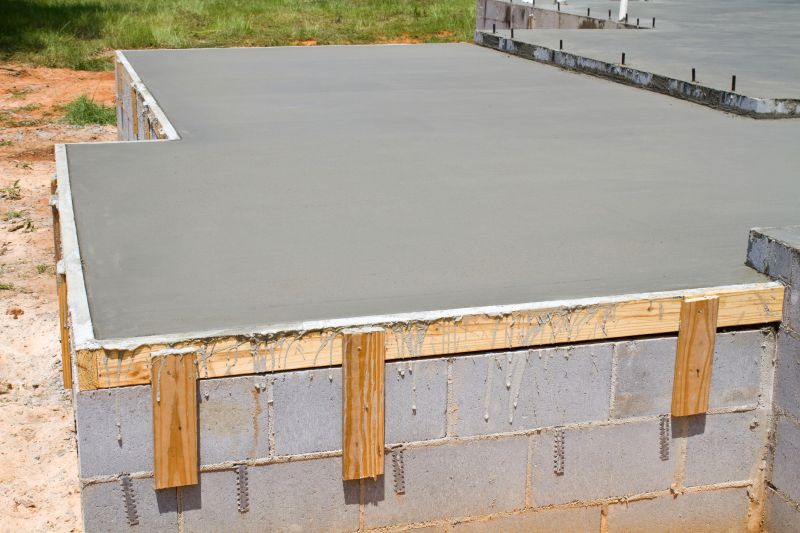
When evaluating local contractors for concrete slab replacement services, it is important to consider their experience with similar projects. Homeowners should inquire about the types of commercial slabs they have worked on and request examples of completed work that resemble the scope and scale of their project. A contractor with a proven track record in handling concrete slab repairs and replacements can provide valuable insights into the most appropriate approach based on the specific condition of the existing slab, helping homeowners make informed decisions about when repair might suffice versus when replacement is necessary.
Clear written expectations are essential when comparing service providers. Homeowners should seek detailed proposals that outline the scope of work, materials to be used, and the estimated process for either repairing or replacing the concrete slab. Transparent communication about what each option entails helps prevent misunderstandings and ensures that all parties are aligned on project goals. Service providers who can articulate their approach clearly and provide comprehensive information are often better equipped to deliver satisfactory results and accommodate any specific needs or concerns during the project.
Reputable references and good communication are key factors in selecting the right local contractor. Homeowners are encouraged to ask for references from previous clients who had similar work done, allowing them to gain insights into the contractor’s reliability, quality of work, and professionalism. Additionally, responsive and open communication throughout the process fosters trust and helps address questions or issues promptly. Choosing a service provider known for clear, consistent communication and positive references can contribute to a smoother decision-making process when determining whether to repair or replace a commercial concrete slab.
Property owners often search for when to repair vs replace a commercial concrete slab when they are planning practical projects around their homes and businesses. Local pros provide Concrete Slab Replacement services for everyday jobs and straightforward project options.
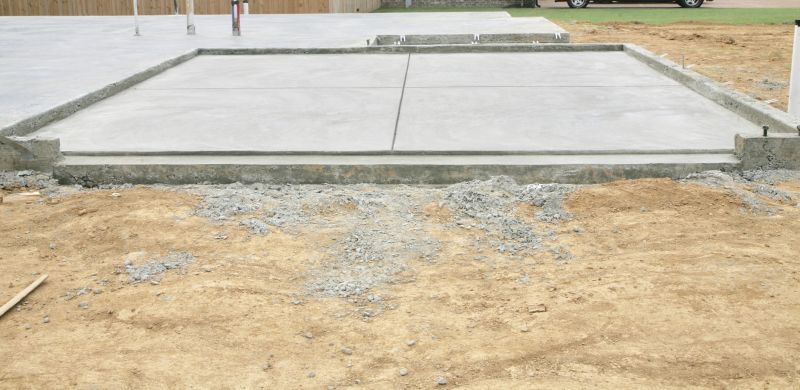
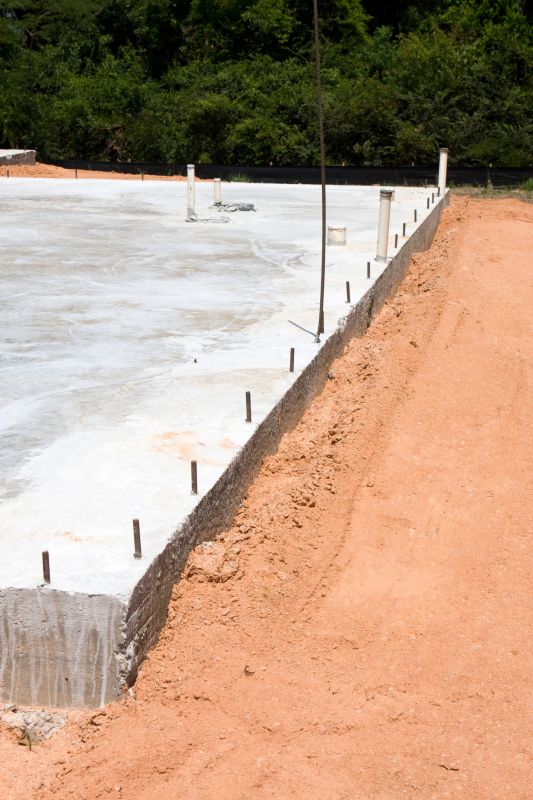
Understanding when to repair vs replace a commercial concrete slab is a common concern for property owners managing parking lots, walkways, or loading docks. Small cracks, surface stains, or minor unevenness often indicate that repairs might be sufficient to extend the lifespan of the existing slab. In these cases, local contractors can assess the damage and perform targeted repairs, saving time and money while maintaining the functionality of the area. However, if the concrete shows extensive cracking, large sections of spalling, or signs of foundational shifting, replacement may be the more practical solution to ensure safety and long-term durability.
Property owners in the area frequently look into this topic when they notice their concrete slabs are no longer performing as needed or are developing significant damage. Deciding between repair and replacement depends on the severity of the issues and the overall condition of the slab. Local service providers can evaluate the situation and recommend the best approach based on the specific circumstances, helping property owners make informed decisions that support the safety and usability of their commercial spaces.
How can I tell if a commercial concrete slab needs repair or replacement? Signs like extensive cracking, surface deterioration, or uneven settling indicate that a concrete slab may require replacement, while minor cracks and surface wear could be suitable for repair. Local contractors can assess the condition to recommend the best solution.
Is it better to repair or replace a concrete slab with deep cracks? Deep cracks that compromise the structural integrity often suggest replacement is necessary, whereas surface cracks that do not affect stability can typically be repaired by local service providers.
When do surface damages on a concrete slab warrant replacement instead of repair? Surface damages such as spalling or pitting that are widespread and affecting the slab’s durability usually indicate the need for replacement, while localized surface issues can often be repaired.
How does the age of a concrete slab influence the decision to repair or replace? Older slabs showing signs of significant wear, cracking, or sinking are more likely to need replacement, though a professional assessment from local contractors can confirm the best course of action.
What role does the extent of damage play in choosing between repair and replacement? Limited damage can usually be addressed with repairs, while extensive or structural issues generally require a full slab replacement handled by experienced local service providers.
Assessing structural damage - Property owners can evaluate if cracks or shifting in a concrete slab are signs of deeper issues that require professional inspection by local contractors.
Considering surface wear and tear - When surface deterioration affects safety or usability, local pros can advise on whether repairs will suffice or if replacement is necessary.
Evaluating repair costs versus replacement - Comparing the expense of patching and sealing against full replacement helps property owners decide the most practical solution with local service providers.
Planning for future use and load requirements - Understanding current and future demands on the slab can guide property owners to choose repair or replacement options with local contractors that best suit their needs.
If you are thinking about when to repair vs replace a commercial concrete slab for a property, this guide is meant to help you understand this topic, the typical project types, and how different options might fit your plans.
When you are ready, you can use the quote form on this page to share a few details about your project. From there, local pros can review the basics and follow up with options that match what you have in mind.